
Resident Evil Requiem
The next mainline entry in the legendary survival horror series, expected to continue the franchise's legacy of reinvention.
Editorial Feature
From Resident Evil Requiem to a wave of independent experiments, 2026 is shaping up as a landmark year for interactive horror. We examine the creative and commercial forces behind the genre's resurgence.
Horror games have always occupied a unique space in interactive entertainment, but the past few years have seen a remarkable surge in both critical acclaim and player interest. From blockbuster revivals to experimental indie projects, the genre is thriving. The current landscape is no longer defined by a single style: players can move from a slow-burn psychological thriller to a frantic survival challenge within a single evening, and each approach is finding an audience that wants to be unsettled in a different way.
Several converging factors—technological advancements, cultural shifts, and a wave of creative ambition—are driving horror games to new heights in 2026.
The Resident Evil series has consistently pushed horror gaming forward, and Requiem is poised to continue that legacy. Its announcement alone has generated significant anticipation. The franchise has a long history of reinventing survival horror: shifting camera perspectives, refining inventory tension, and repeatedly proving that a familiar name can still deliver unfamiliar dread. Requiem arrives at a moment when the series' influence is visible across the wider genre, from the way modern horror games pace their encounters to the way they balance action with vulnerability.
While we await concrete details, the promise of a new Resident Evil entry underscores the genre's commercial viability and its ability to attract mainstream attention. The mere existence of a major numbered instalment helps keep horror in the broader conversation, even for players who might otherwise overlook smaller releases.
Independent studios often take risks that larger publishers avoid, resulting in some of the most memorable horror experiences. Games like Signalis and Crow Country have proven that small teams can deliver big scares. Freed from the need to appeal to the widest possible audience, indie developers can lean into uncomfortable pacing, ambiguous endings, and mechanics that feel deliberately hostile. That willingness to make the player feel lost, powerless, or complicit has produced some of the most talked-about horror moments of the past few years.
Advances in audio design, lighting, and rendering allow developers to create more convincing and unsettling environments. Spatial audio and ray tracing contribute to a heightened sense of presence. A creak that seems to come from behind the player's left shoulder, a shadow that moves realistically across a wet floor, a light source that behaves like an actual bulb rather than a painted glow—these details accumulate into a world that feels physically present. When the environment itself becomes believable, the horror no longer has to work as hard to convince the player that something is wrong.
Virtual reality and advanced haptic feedback are opening new avenues for horror, making fear more visceral and personal. The sense of being inside a space, rather than observing it through a screen, changes the relationship between player and threat. Even outside VR, more detailed controller feedback can turn a distant sound into a physical sensation, making the body part of the scare in a way that older hardware could not.
Horror games often tap into contemporary anxieties, from isolation and technology to societal collapse. This relevance makes them more than simple entertainment. The best horror does not simply startle; it gives shape to worries that are difficult to articulate. Themes of surveillance, loss of control, and the fragility of everyday life appear across recent releases, turning private unease into something that can be explored and, for a few hours, survived.
The rise of streaming and content creation has amplified horror's reach, as shared scares become social experiences. Watching someone else react to a terrifying moment can be as compelling as playing it, and that visibility introduces the genre to audiences who might never have picked up a horror game on their own. The communal experience of fear—laughing at a streamer's panic, debating the meaning of an ending, or sharing a particularly effective scare—has become part of how horror games find their audience.
The next mainline entry in the legendary survival horror series, expected to continue the franchise's legacy of reinvention.
A first-person experience built around unreliable perception and environmental storytelling, with no confirmed release date.
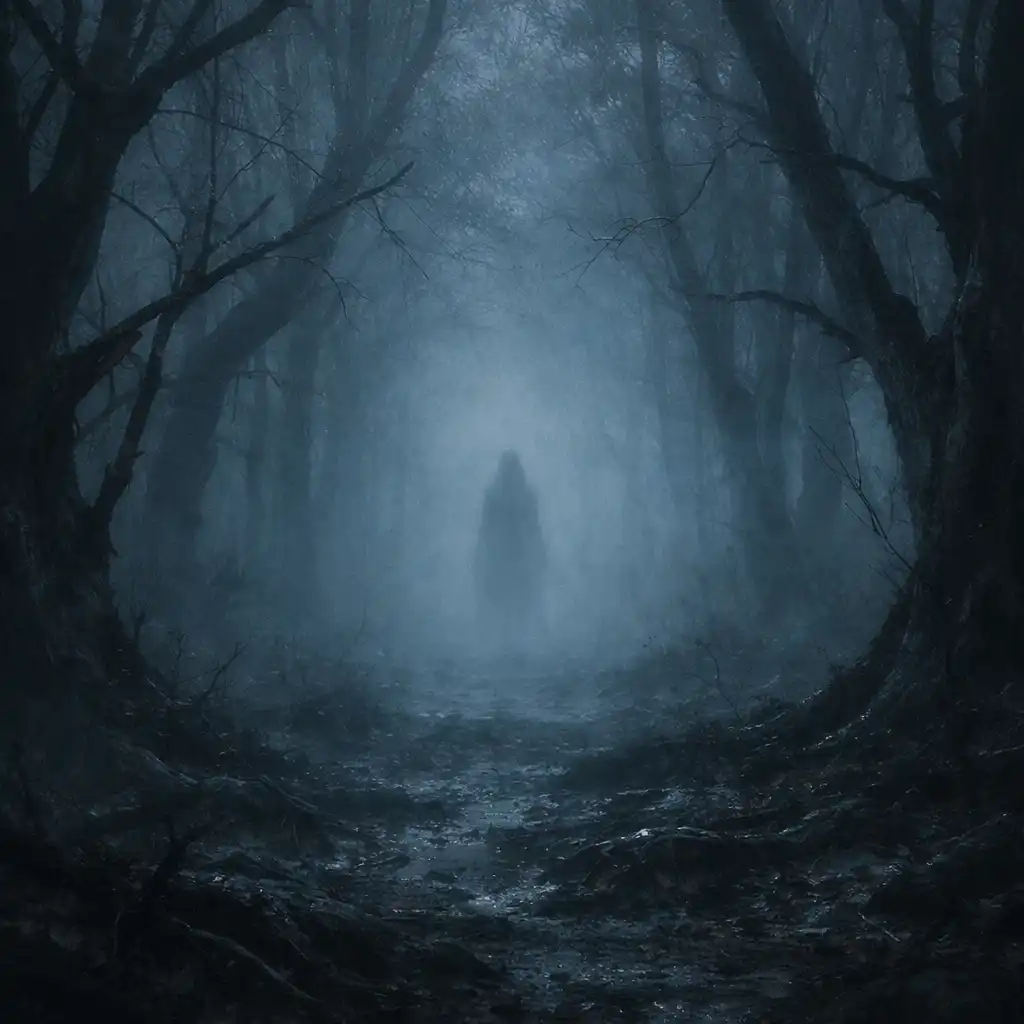
A narrative-driven cosmic horror project generating steady interest for its unusual structure and restrained approach to fear.
With so many horror titles releasing, some players may experience genre fatigue. Quality control and originality are essential to sustain interest. When every month brings another dark corridor, another abandoned building, and another set of jump scares, even well-made games can blur together. The genre's long-term health depends on developers continuing to find new angles rather than simply repeating the same template with a different coat of paint.
Horror games can be challenging for some players due to intense themes or difficulty. Developers are increasingly adding accessibility options. Options such as content warnings, reduced flashing effects, adjustable difficulty, and the ability to skip particularly intense sequences help more players engage with horror on their own terms. These features do not dilute the experience for those who want the full intensity; they simply widen the door.
Horror games are enjoying a strong year due to a combination of blockbuster releases, indie innovation, technological progress, and cultural relevance. Each of these forces reinforces the others: a major franchise brings attention to the genre, indie developers push its creative boundaries, new technology makes its worlds more convincing, and cultural resonance gives its themes staying power.
As the year unfolds, the genre's ability to evolve and surprise will determine its lasting impact. For now, horror fans have plenty to celebrate.