
Open Worlds After GTA VI
Grand Theft Auto VI is poised to redefine what players expect from open-world games. This article explores the design shifts, player expectations, and upcoming titles that will shape the genre after its release.
Introduction: The Benchmark
A New Standard
Rockstar's track record with open worlds—from San Andreas to Red Dead Redemption 2—suggests GTA VI will push technical and design boundaries. Its release will likely reset player expectations for density, interactivity, and narrative integration. Previous Rockstar titles have defined open-world conventions, and GTA VI's scale is rumored to be unprecedented, but we treat rumors as unconfirmed. The game's success will influence investment in the genre.
GTA VI is not just another open-world game; it is the benchmark against which the next generation of open worlds will be measured.
What This Article Covers
We examine three key areas: how open-world design may shift, which upcoming games reflect these shifts, and what players should watch for. We avoid speculation presented as fact and clearly label editorial analysis.
- Design trends: density, systems, and narrative.
- Upcoming titles: 007 First Light, PRAGMATA, and others.
- Player expectations: immersion, agency, and value.
The Density Question
From Size to Substance
For years, open-world games competed on map size. But player fatigue with empty spaces suggests a shift toward denser, more meaningful environments. GTA VI's rumored focus on a single, highly detailed city could accelerate this trend.
- Examples of dense worlds: Yakuza, Deus Ex: Mankind Divided.
- Player feedback often cites 'empty' maps as a negative.
- Technological advances allow more interactive objects per area.
The Role of Interactivity
Density isn't just about visual clutter; it's about systems that respond to player actions. Games like Breath of the Wild and immersive sims have shown that systemic depth can be more engaging than scripted content.
A dense world is not measured in square kilometres, but in the number of meaningful choices it offers per minute.
Breath of the Wild's chemistry engine, immersive sims like Prey and Dishonored, and GTA's own tradition of emergent chaos all point toward a future where interactivity matters more than raw acreage.
Narrative Integration
Story in the Open World
Rockstar has mastered weaving narrative into open-world activities. After GTA VI, expect more games to integrate main quests with side content seamlessly, reducing the divide between 'story' and 'filler'.
Red Dead Redemption 2's stranger missions and The Witcher 3's side quests with narrative weight demonstrate how optional content can feel essential. Players increasingly desire meaningful choices that affect the world and its characters.
Emergent Storytelling
Beyond scripted quests, open worlds are embracing player-driven stories through systems. Games like Kenshi and Mount & Blade show how unscripted events can create memorable narratives.
- Kenshi's sandbox survival generates unique stories.
- Mount & Blade's dynamic factions create shifting alliances.
- GTA Online's player interactions produce emergent chaos.
Upcoming Open Worlds to Watch

007 First Light
This James Bond game promises a globe-trotting spy fantasy with open-ended missions. Its focus on player choice and gadgets could push open-world design toward more systemic espionage gameplay. Developed by IO Interactive, known for Hitman's sandbox levels, it is expected to feature multiple international locations and potential stealth mechanics.
PRAGMATA
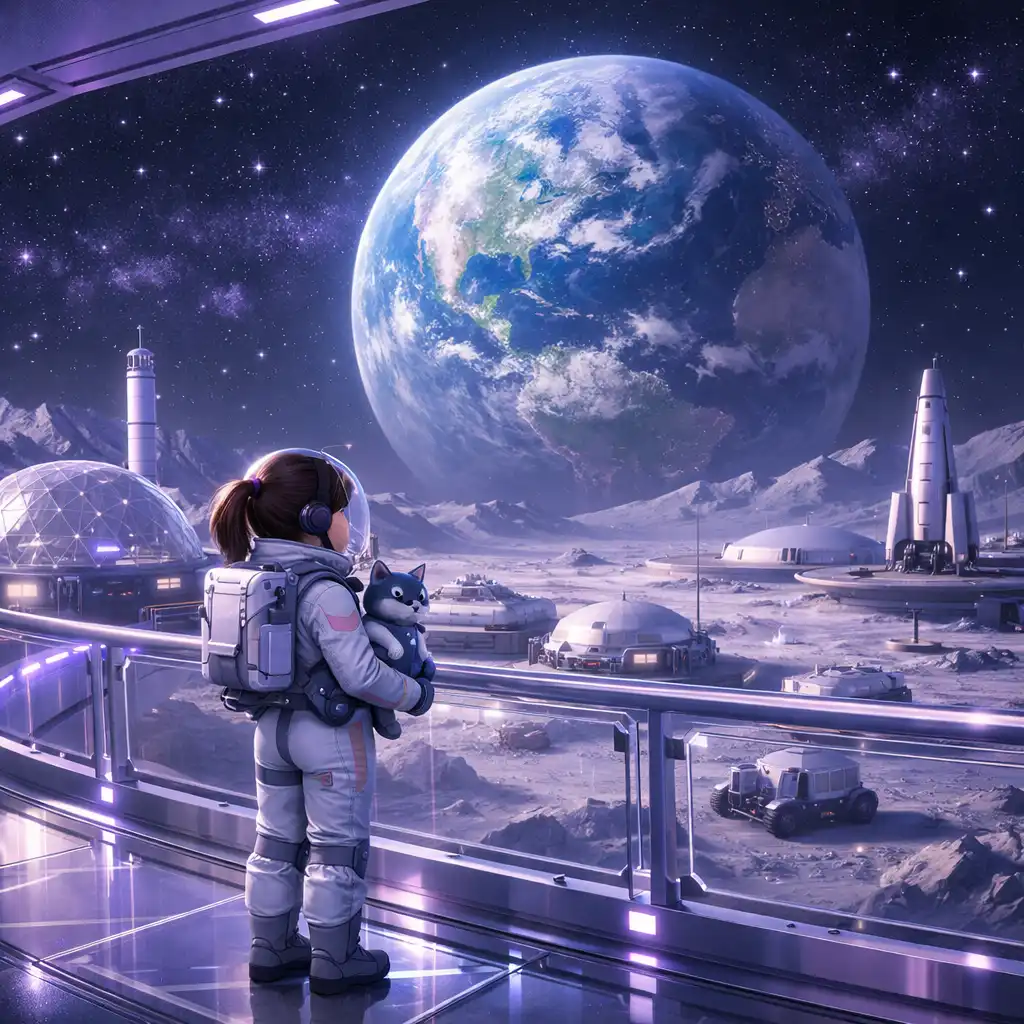
Capcom's mysterious sci-fi title may blend open-world exploration with a unique companion mechanic. Its delayed release suggests ambitious scope. Originally announced in 2020 and delayed multiple times, it is set on a lunar colony with a young girl companion and represents Capcom's first major new IP in years.
Saros
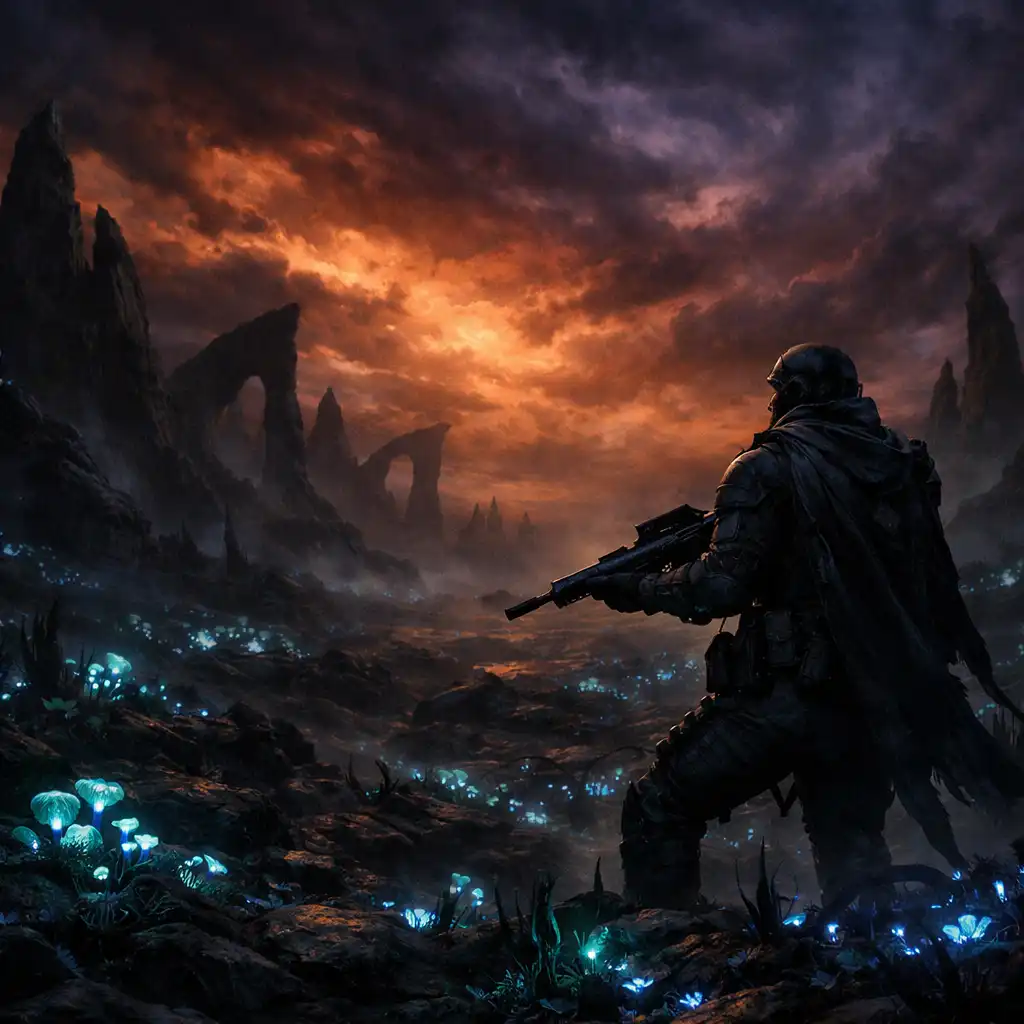
From the creators of Returnal, Saros is a third-person action game with a time-loop premise. Its world may be more structured than traditional open worlds but could influence how developers handle repetition and exploration. Housemarque's next game features a protagonist played by Rahul Kohli, and its time-loop mechanics could reshape open-world progression.
Player Expectations Shift
The Value Proposition
As games get more expensive to produce, players expect more content and longevity. GTA VI's likely massive scope will raise the bar for what constitutes a 'complete' open-world experience.
- Rising development costs push studios toward larger, longer games.
- Player backlash against shallow content encourages deeper systems.
- Live-service models extend game lifespans but risk fatigue.
Immersion and Agency
Players increasingly value worlds that react to their actions. GTA VI's rumored attention to detail could make static worlds feel outdated. Examples of reactive worlds include Watch Dogs: Legion and Cyberpunk 2077 after its patches, both of which attempt to make the environment respond to player choices. The role of NPC schedules and routines is also becoming a key differentiator.
Risks and Challenges
The Cost of Ambition
Matching GTA VI's scale may be financially impossible for most studios. The industry could see a widening gap between mega-budget blockbusters and smaller, more focused open worlds. Development budgets for AAA games are often estimated to exceed $200 million, though these figures are industry estimates and not confirmed for GTA VI.
The greatest risk after GTA VI is not that open worlds become too big, but that they become too expensive to be anything else.
Examples of studios scaling back scope, and the rise of AA open-world games like Elex or Outward, suggest a more diverse future may be possible.
Player Fatigue
Even the best open worlds can overstay their welcome. Developers must balance density with pacing to avoid burnout. Common complaints about map bloat and the success of shorter, focused experiences indicate that length is not always a virtue. GTA VI's own length is unknown, but its influence on player expectations will be felt regardless.
Conclusion: The Road Ahead
A Genre in Flux
GTA VI will undoubtedly influence open-world design, but the genre's future is not set in stone. Smaller, more experimental titles may carve out their own niches, while blockbusters chase scale. The next few years will reveal whether density, narrative, or player agency becomes the defining trait.
Watch upcoming releases like 007 First Light and PRAGMATA for early signals of these shifts. Engage critically with open-world design: ask whether a world feels alive, responsive, and worth exploring, rather than simply large. The road ahead is uncertain, but that uncertainty is exactly what makes this moment in gaming so compelling.
The future of open worlds will not be written by a single game, but by the choices developers make after GTA VI raises the bar.